The Importance of Preventative Dental Care
Preventative dental care is essential for maintaining optimal oral health and preventing serious dental issues. Regular visits to the dentist for cleanings and check-ups can help identify potential problems before they become significant, reducing the need for more invasive treatments.
For instance, studies show that patients who adhere to a routine of preventative care experience fewer cavities and gum diseases. By investing in preventative measures, individuals not only save on future dental bills but also enhance their overall well-being through improved oral health.
Benefits of Regular Dental Cleanings
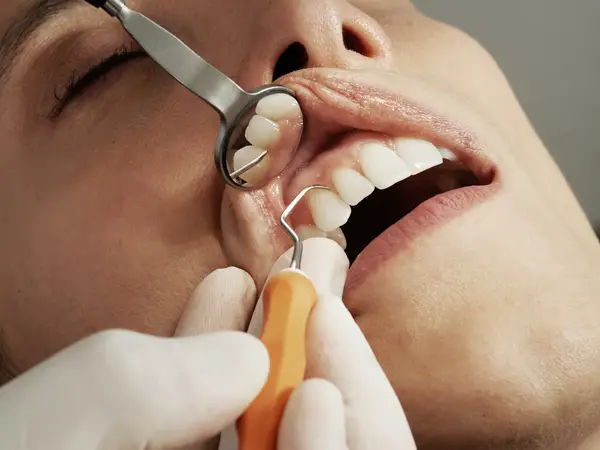
Regular dental cleanings are a cornerstone of preventative dental care, helping to remove plaque and tartar that can lead to cavities and gum disease. These cleanings allow dental professionals to thoroughly assess the health of your teeth and gums, ensuring that any issues are addressed promptly.
Moreover, cleanings can significantly contribute to fresher breath and a brighter smile. Many patients report feeling more confident after their cleanings, as they leave the office with a sense of cleanliness and reassurance about their oral health status.
Understanding Fluoride Treatments
Fluoride treatments are a simple yet effective way to strengthen tooth enamel and help prevent decay. This treatment involves applying a concentrated fluoride solution to the teeth, which can significantly enhance resistance to cavities, especially in children and those at higher risk for dental issues.
Research indicates that fluoride can reduce the incidence of cavities by up to 40%. By incorporating fluoride treatments into your dental care routine, you can help safeguard your teeth against decay and maintain a healthy smile for years to come.
Preparing for Your Oral Exam
Preparing for an oral exam can help you make the most of your visit to the dentist. It is advisable to gather any relevant medical history and list any medications you are currently taking, as this information can assist your dentist in providing the best care possible.
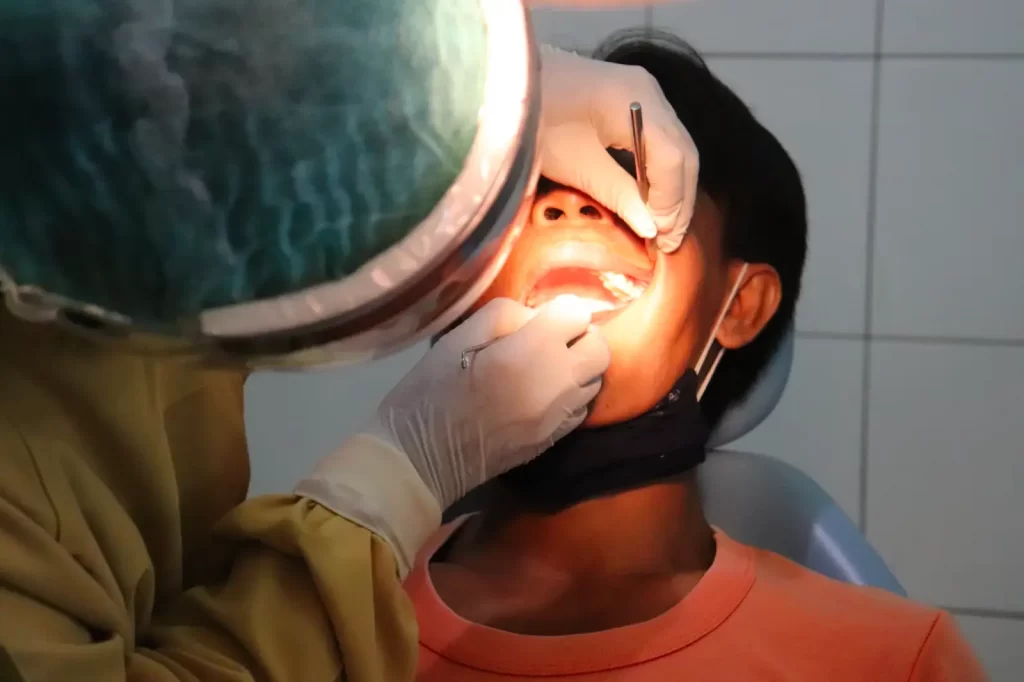
Additionally, being open about any dental concerns or symptoms you may be experiencing will allow your dentist to focus on areas that need attention. This proactive approach ensures a thorough examination and helps establish a tailored dental care plan that meets your specific needs.